About
Book an Appointment
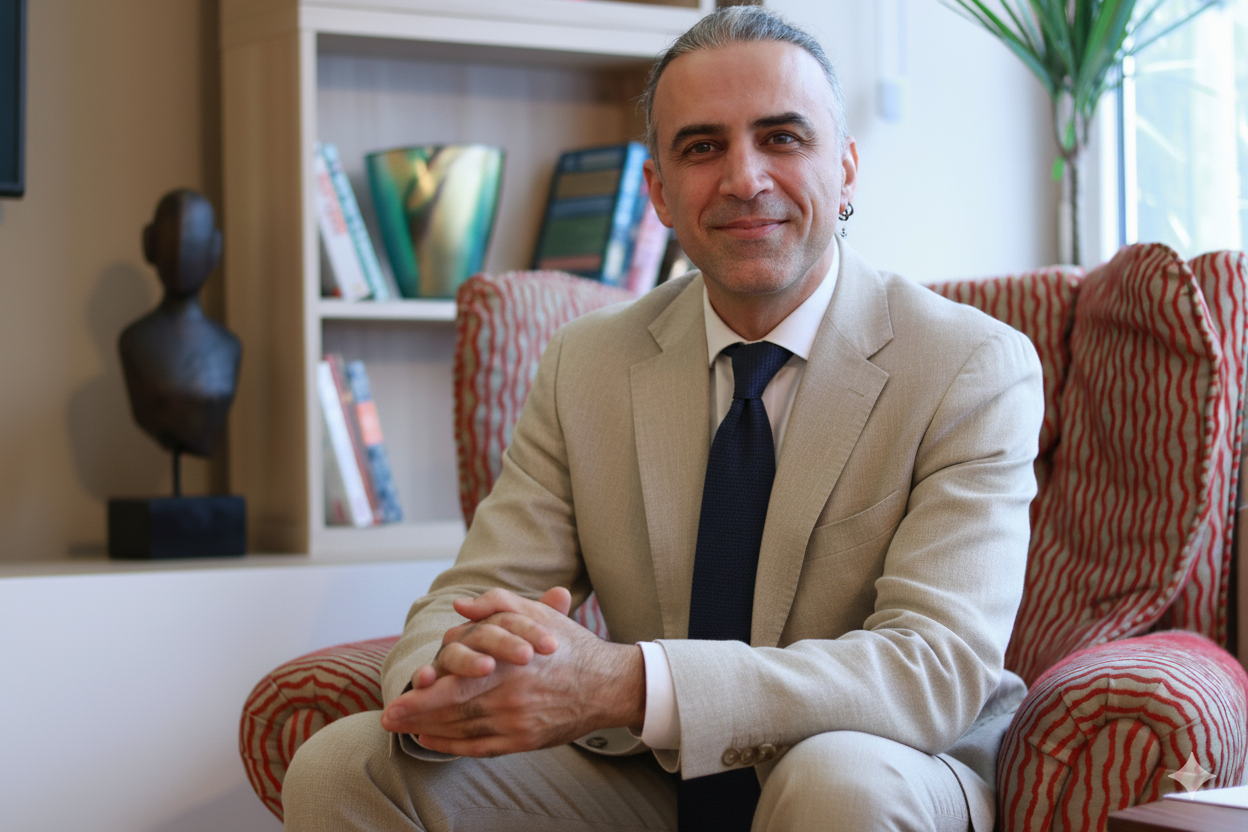
 Prof. Dr. Ali KeyvanPsychiatrist and Psychotherapist · Updated: 30 October 2026
Request an appointment
Before your appointment
- Fill in the form above.
- We will call you back after you submit it.
- Your appointment will then be confirmed.
- Please arrive at the clinic 15 minutes before your appointment.
- Please allow for possible traffic and parking difficulties.
- To cancel an appointment, please call us and get confirmation.
- You can pay in cash or by credit or debit card.
We wish you good health.
Patient rights
Please read this text before booking a psychiatric appointment. The patient’s rights in psychiatric consultations, and the confidentiality principles that govern this process, form the basis of a treatment relationship built on trust. In Turkey these rights and principles are protected by legal and ethical regulations such as the Patient Rights Regulation, the Turkish Medical Association’s Code of Professional Ethics and the Personal Data Protection Law (KVKK). Prof. Dr. Ali Keyvan works in accordance with these principles and ethical rules. By attending an appointment, each patient is deemed to accept these legal rules.
A. The patient’s basic rights
Right to information
- The patient has the right to be informed clearly, in language they can understand, about their mental state, the diagnosis, the type and duration of the planned treatment, its likelihood of success, and its possible side effects and risks.
- The patient has the right to learn about alternative treatment options, if any exist.
Right to informed consent
- No psychiatric treatment or intervention may begin without the patient being adequately informed and giving voluntary consent.
- The patient may withdraw consent and stop treatment at any time. (In that case the doctor is obliged to explain the risks of stopping treatment.)
Right to refuse treatment
- After being informed of the consequences, the patient has the right to refuse the recommended treatment or intervention.
Right to respect and dignity
- Regardless of language, religion, race, gender, sexual orientation, or social or economic status, the patient has the right to be treated at all times with respect, compassion and humanity.
Right to a second opinion
- The patient has the right to seek the opinion of another doctor or specialist about their diagnosis and treatment, and their current doctor should facilitate this.
Right of access to records
- The patient has the right to examine the medical records kept about them, obtain a copy, and request correction of any error they believe the records contain.
Right to a safe environment
- The patient has the right to receive care in a safe therapeutic environment, protected from any physical, emotional or sexual abuse.
Right to complain
- A patient who believes their rights have been violated may apply to the patient rights unit of the relevant health institution, the Provincial Health Directorate or the Turkish Medical Association, or take legal action.
B. Principles of confidentiality
Duty of confidentiality
- Everything discussed between psychiatrist and patient (the patient’s identity, diagnosis, the events they describe, their feelings and so on) is confidential and strictly protected. This is one of the doctor’s most fundamental ethical and legal responsibilities.
No disclosure to third parties
- Without the patient’s explicit written consent, no information about the treatment may be shared with family members (including spouse, parents and children), friends, employers or any other person or institution.
Confidentiality of records
- All of the patient’s medical and psychiatric records must be stored securely, in paper and digital form, so that unauthorised people cannot access them.
Continuity of confidentiality
- The duty of confidentiality continues after treatment has ended, and even after the patient’s death.
C. Mandatory exceptions to confidentiality
Law and ethics allow confidentiality to be breached only in a few very specific and serious situations, with the aim of protecting the life of the patient or another person:
Serious risk of self-harm
- If there is a serious and imminent risk that the patient will harm themselves or take their own life, the doctor may breach confidentiality to a limited extent in order to protect the patient’s life (for example by informing the family or arranging hospital admission).
Serious risk of harm to another person
- If the patient makes a serious threat of harm (killing, injuring and so on) against an identifiable person, the doctor may have a duty to warn the potential victim and/or the police.
Suspected child abuse or neglect
- If concrete suspicion or information emerges that a child (or a dependent adult) is suffering sexual, physical or emotional abuse, the doctor has a legal duty to report it to the relevant authorities (the Public Prosecutor’s Office or the Provincial Directorate of Family and Social Services).
Court order
- If a court legally requires the doctor to testify or provide information in ongoing proceedings, the doctor may have to do so, limited strictly to the information the court requests.
This page is for information only and does not replace diagnosis or treatment. If you have similar symptoms, please consult a mental health professional.

Your psychiatrist
Prof. Dr. Ali Keyvan
Prof. Dr. Ali Keyvan is a psychiatrist and psychotherapist. He practises, teaches and supervises cognitive behavioural and dialectical behaviour therapy as well as psychodynamic therapy and group analysis, and is a founding member of the Istanbul Group Analysis Association (IstGA). He sees clients at his clinic in Nişantaşı, Istanbul, and online.