


Other approaches
Online Therapy
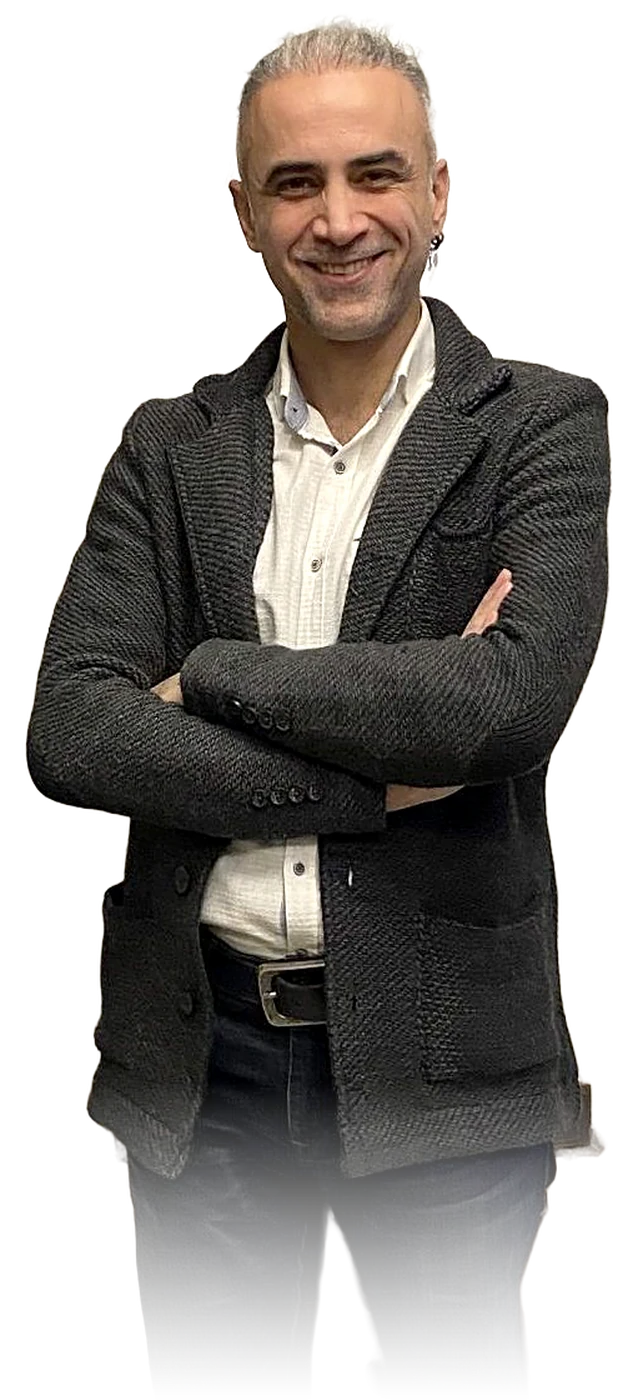 Prof. Dr. Ali KeyvanPsychiatrist and Psychotherapist · Updated: 30 October 2026
Your online therapy psychiatrist: Prof. Dr. Ali Keyvan. Technology now shapes every part of our lives, and mental health care is no exception. By bringing established forms of therapy onto secure digital platforms, online therapy removes barriers of time, place and distance and makes psychiatric support easier to reach than ever before. As a psychiatrist, I see the possibilities this approach offers, and its positive effect on people’s mental health, more clearly every day. So what exactly is online therapy, who is it for, and how does it work? This page answers the most common questions.
Online therapy: a digital window to your mental health
What is online therapy and how does it work?
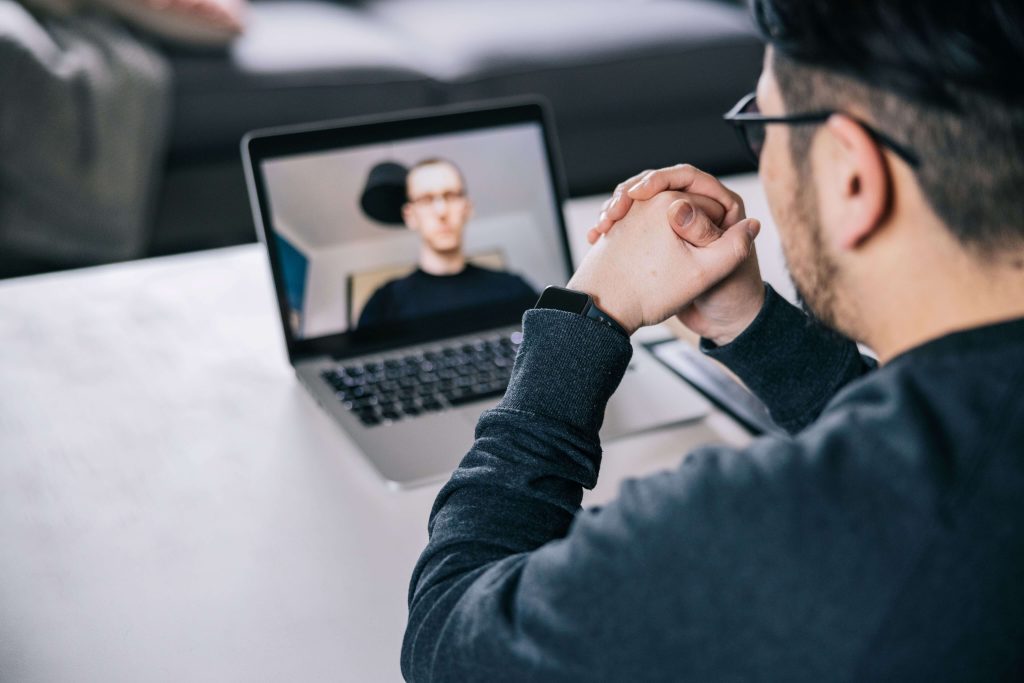
Put simply, online therapy consists of sessions between a mental health professional (a psychiatrist or psychologist) and a client, held over a secure video platform. It carries the core principles of face-to-face therapy into a digital setting: even though client and therapist are in different places, they can build an interactive and in-depth therapeutic relationship. Sessions take place at pre-arranged times, using encrypted software that protects confidentiality.
Who should consider online therapy, and why?
Online therapy is an effective option for a wide range of people. It is particularly well suited to:
- People with busy lives: it offers real flexibility to those who cannot regularly travel to a clinic because of work, study or family responsibilities.
- People facing distance: those living in smaller towns, rural areas or abroad, with limited access to a qualified specialist, can work with the expert of their choice.
- People with a physical disability or chronic illness: it makes therapy possible for those whose health makes leaving home difficult.
- People who find it hard to leave home: for those with agoraphobia, social anxiety or panic disorder, who experience home as a safe space, it can be the first step into therapy.
- People who value privacy: it offers a greater sense of confidentiality to those who hesitate to visit a clinic or worry about being recognised.
- People with transport difficulties: it saves time and money for those with limited transport or who would rather not spend hours in traffic.
Conditions treated online
Online therapy has proven effective for many of the conditions addressed in face-to-face therapy. The main areas include:
- Depression and mood disorders
- Anxiety disorders: panic attacks, generalised anxiety disorder, social phobia and others
- Obsessive-compulsive disorder (OCD)
- Relationship, marital and family problems
- Stress management, burnout and anger control
- Post-traumatic stress disorder (PTSD)
- Grief and loss
- Self-esteem and personal growth
- Psychopharmacological assessment: when therapy is provided by a psychiatrist, starting, adjusting and monitoring medication can also be managed effectively online.
Important: online therapy is not appropriate in situations that require urgent intervention, such as severe psychotic crises, an active risk of suicide or conditions that need hospital admission.
What you need for online therapy
A few simple but important conditions help you get the most out of online sessions:
- Equipment: a computer, tablet or smartphone with a camera and microphone.
- Internet connection: a stable, reasonably fast connection so the session is not interrupted.
- Privacy: a quiet, private space where you will not be distracted or overheard. This is the most basic requirement of the therapeutic process.
- A secure platform: the therapist should use an end-to-end encrypted platform that meets confidentiality standards and protects client information.
Process, session length and fees
- Session length: as with face-to-face therapy, sessions usually last 45–50 minutes. They are held weekly or every two weeks, depending on your needs and treatment plan.
- Overall duration: how long treatment lasts varies from person to person, depending on the nature of the problem, your goals and your progress.
- Fees: online session fees are generally similar to face-to-face fees and may vary with the clinician’s expertise, experience and therapeutic approach. Payment is usually made before the session by bank transfer or a secure online payment system. Ask about appointment and cancellation policies at the first consultation.
Conclusion
Online therapy has transformed access to mental health care. It lets people reach the support they need from the comfort of their own space, wherever they are. Under the right conditions and with a qualified professional, it can be as effective and transformative as face-to-face therapy. Investing in your mental wellbeing is one of the most valuable things you can do for yourself, and technology now makes it far easier.

This page is for information only and does not replace diagnosis or treatment. If you have similar symptoms, please consult a mental health professional.

Your psychiatrist
Prof. Dr. Ali Keyvan
Prof. Dr. Ali Keyvan is a psychiatrist and psychotherapist. He practises, teaches and supervises cognitive behavioural and dialectical behaviour therapy as well as psychodynamic therapy and group analysis, and is a founding member of the Istanbul Group Analysis Association (IstGA). He sees clients at his clinic in Nişantaşı, Istanbul, and online.


