


Mood and anxiety
Post-Traumatic Stress Disorder (PTSD)
Symptoms, types and course of post-traumatic stress disorder, and how CBT and medication help in PTSD treatment.
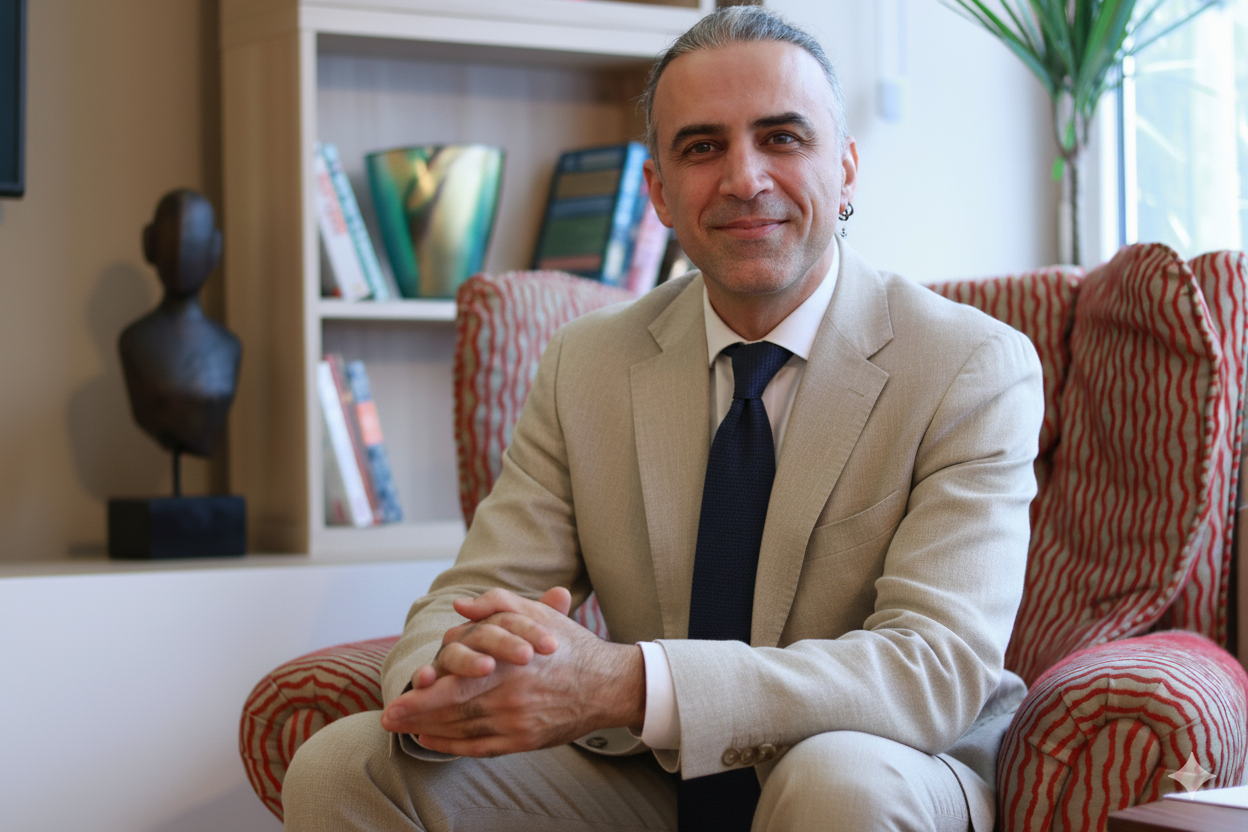
 Prof. Dr. Ali KeyvanPsychiatrist and Psychotherapist · Updated: 16 February 2024

Post-traumatic stress disorder (PTSD) is a psychological disorder that many people are unaware of, and it can become chronic. It can develop after a person has experienced or witnessed real or perceived serious danger, the threat of death, trauma, or severe hardship affecting others. People with PTSD experience feelings of danger, worry and anxiety, and they may feel they have lost control over their thoughts and emotions.
Diagnosing PTSD
PTSD can be diagnosed when symptoms do not go away on their own within the expected time. Symptoms vary widely depending on the trauma experienced and can affect physical, psychological, behavioural and social functioning. Physical symptoms include sleeplessness, palpitations, shortness of breath, restlessness and muscle tension. People with PTSD may also experience psychological symptoms such as fear, anger, sadness, guilt, anxiety, tension, depression and pessimism.
What is the aim of PTSD treatment?
The aim of treatment is to reduce trauma-related symptoms and improve the person’s quality of life. Treatment can draw on several methods, including cognitive behavioural therapy, group therapy, psychodrama and antidepressant medication. Each of these can help reduce trauma-related symptoms and improve quality of life. PTSD is being recognised and treated more and more often, but support and attention from the people around the person matter a great deal. Alongside professional help, support from family and friends helps people with PTSD manage the process in a healthy way.
What are the symptoms of PTSD?
PTSD is a psychiatric condition in which, after a traumatic event, a person experiences stress symptoms severe enough to disrupt normal life. It can follow events such as natural disasters, war, sexual assault, physical violence or traffic accidents. Symptoms include recurring memories of the trauma, nightmares, panic attacks, avoidance, anxiety and depression. These symptoms can harm quality of life and cause difficulties at work, at school or in social life.
Treatments for PTSD include cognitive behavioural therapy (CBT) and medication. CBT aims to change the thoughts and behaviours connected with the trauma. Medication is used to ease symptoms; antidepressants, anti-anxiety medicines and sleep medicines may be used. Early diagnosis and treatment are important for preventing long-term harm. Many people struggling with PTSD are not even aware of their symptoms, so any stress or anxiety that appears after a trauma is worth discussing with a psychiatrist or psychologist.
Signs of PTSD
In PTSD, a person who has been through trauma finds it hard to return to normal life and to withstand the impact of the traumatic event. It is usually linked to a specific event, such as a violent crime, an accident, a natural disaster, war or sexual assault. PTSD can upset a person’s physical, emotional and mental balance.
- Physical signs: dizziness, palpitations, headache, sweating, muscle tension and trembling.
- Emotional and psychological signs: anger, depression, recurring traumatic memories, stress, anxiety, low self-esteem, self-blame, sleeplessness and, in some cases, thoughts of suicide.
Re-experiencing, avoidance and hyperarousal
PTSD symptoms are usually grouped into three main clusters:
- Re-experiencing: distressing memories that keep bringing the event back. The person relives the event in their mind again and again and has nightmares.
- Avoidance: the person avoids anything connected with the event, including places, topics and conversations about it.
- Hyperarousal: the person is easily startled, may have panic attacks, becomes irritable quickly, has sleep problems and finds it hard to concentrate.
Types of PTSD
PTSD is often described according to how long symptoms last and when they begin:
- Acute PTSD: symptoms have lasted less than three months. Because this is a shorter-lasting form, recovery can be quicker.
- Chronic PTSD: symptoms have lasted three months or longer. It is usually more persistent, and treatment may take longer.
- Delayed-onset PTSD: symptoms appear at least six months after the traumatic event.
In every form, comprehensive and appropriate treatment, together with a supportive environment, plays a major role in relieving symptoms and helping the person return to normal life. The recovery process varies with the depth of the trauma and the person’s circumstances.
How long does PTSD last?
The course of PTSD differs from person to person. For some people it lasts a few months; for others it continues for years. How long symptoms last depends on the severity of the trauma, the person’s ways of coping with stress and their access to treatment. Stress symptoms often appear in the first weeks after a trauma and ease within one to three months for many people, but in some they persist for months or longer and can become chronic. In that case, longer-term treatment usually helps manage the symptoms and improve functioning.
Because it is hard to predict how long symptoms will last, anyone experiencing PTSD symptoms should see a psychiatrist and get an accurate diagnosis. Whatever the duration and severity of symptoms, treatment usually helps to manage them.
This page is for information only and does not replace diagnosis or treatment. If you have similar symptoms, please consult a mental health professional.

Your psychiatrist
Prof. Dr. Ali Keyvan
Prof. Dr. Ali Keyvan is a psychiatrist and psychotherapist. He practises, teaches and supervises cognitive behavioural and dialectical behaviour therapy as well as psychodynamic therapy and group analysis, and is a founding member of the Istanbul Group Analysis Association (IstGA). He sees clients at his clinic in Nişantaşı, Istanbul, and online.
Mood and anxiety


