Behavioural school
Cognitive Behavioural Therapy (CBT)
What CBT is, how sessions work, how long it takes and which conditions it helps, from anxiety and depression to OCD.
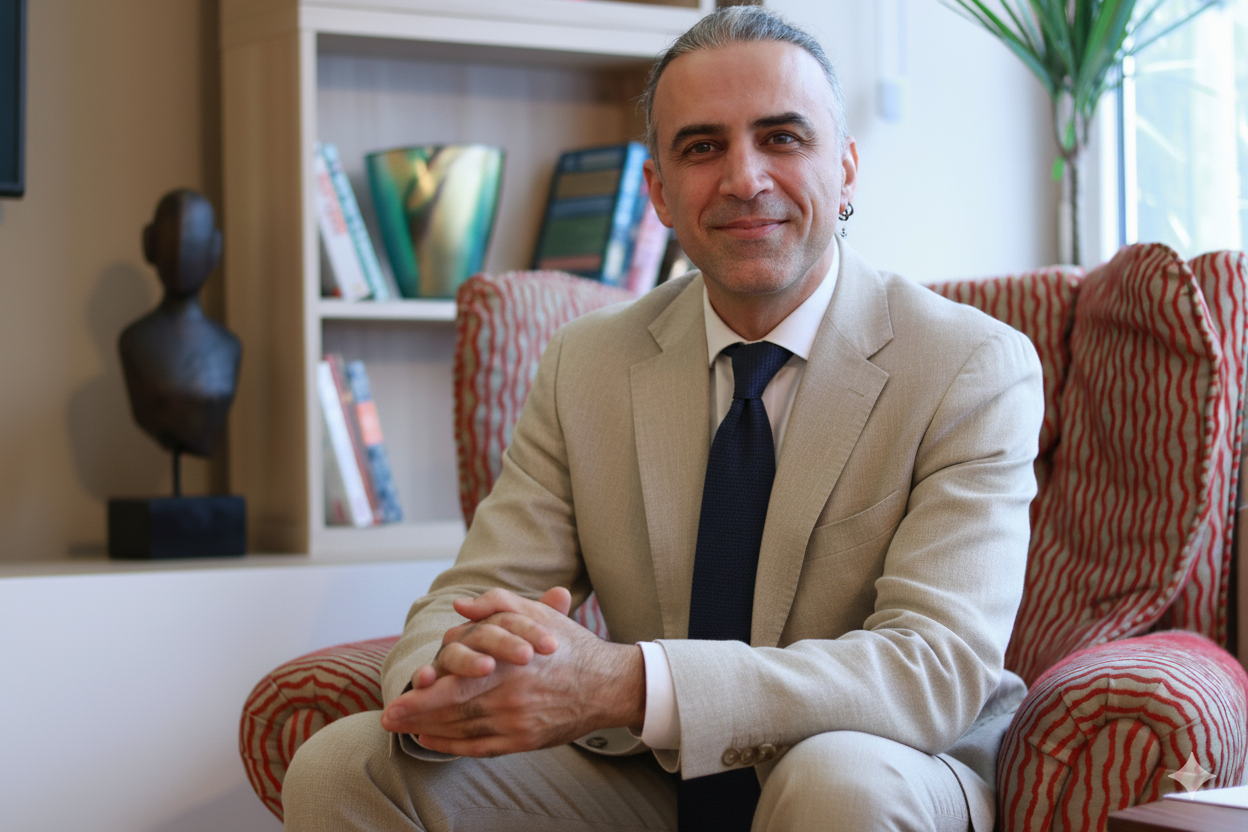
 Prof. Dr. Ali KeyvanPsychiatrist and Psychotherapist · Updated: 16 February 2024

Psychotherapy is the general term for treating mental health conditions and problems through verbal interaction, that is, through sessions. Cognitive behavioural therapy (CBT) is one form of psychotherapy.
What is cognitive behavioural therapy?
Cognitive behavioural therapy is a type of psychotherapy developed from psychological models that study human behaviour, emotions and thoughts. It rests on a scientific foundation and has been shown to be effective for many psychiatric disorders and a wide range of problems. In CBT, symptoms and problems are defined as the goals of therapy, and the aim is to improve quality of life by the end of treatment. The CBT approach is short-term and goal-oriented.
CBT is a form of psychotherapy that targets distressing symptoms, aims to help people re-examine their ways of thinking, and teaches new strategies for solving problems.
What happens in CBT?
In CBT, therapist and client work together, with recovery as the goal, on the relationships between thoughts, feelings and behaviours in order to identify and understand various problems. The work usually focuses on the “here and now”, meaning the problems currently causing the person distress. To reach the goals set together and to create “change”, what is learned during sessions is put into practice between sessions. “Homework” or exercises may be used so that the knowledge gained in sessions can be turned into skills.
The verbal and behavioural methods used in CBT are based on scientific principles and learning theories. The effectiveness of this treatment has been tested scientifically, and hundreds of clinical studies have shown it to be effective for many mental health conditions. After a few sessions, the therapist can usually form an idea of how long it will take to reach the agreed goals. For some clients a very short course, such as 8–10 sessions, may be enough. Unless there is a severe crisis, sessions are initially held once a week.
How is CBT carried out?
Once the person starts to feel better (remission), the sessions are spaced out gradually: first every two weeks, then every three weeks. This gives the person a chance to try out the skills they have learned in everyday life while still in therapy. Booster sessions can be held 3, 6 and 12 months after therapy ends.
CBT and medication can be used together. Where both treatments are effective, the choice is up to the person seeking help. Some conditions generally respond better to a combination of the two. CBT has also produced very good results with children and adolescents, where it is mostly used to treat symptoms related to anxiety disorders, depression, bedwetting (nocturnal enuresis), attention deficit hyperactivity disorder, trauma and post-traumatic stress disorder.
The CBT therapist works with the client to build a shared understanding of the problem and to identify how it affects the client’s thoughts, feelings, behaviours and daily functioning. There is scientific evidence for the effectiveness of this type of therapy. This evidence shows that CBT is effective for the common psychiatric disorders listed below, and CBT is included as an effective treatment in many guidelines for these disorders.
In Türkiye, Prof. Dr. Mehmet Zihni Sungur deserves admiration and gratitude for introducing and developing CBT. The Association for Cognitive and Behavioural Therapies (KDTD) that he founded has helped this valuable and effective therapy take root in the country. M. Z. Sungur is also a source of national pride for the active and influential roles he continues to play in the world (WCCBT) and European (EABCT) CBT associations.
Indications for CBT
- Anxiety disorders
- Panic disorder
- Generalised anxiety disorder
- Social phobia
- Specific phobias
- Mood disorders
- Major depression
- Minor depression
- Dysthymic disorder
- Atypical depression
- Melancholic depression
- Obsessive-compulsive disorders
- Post-traumatic stress disorder
- Sexual dysfunctions
- Relationship problems (couples therapy)
- Family therapy
- Alcohol and substance misuse
- Eating disorders
- Somatoform disorders
- Hypochondriasis
- Various behavioural problems such as tics
CBT has also been shown to contribute to treatment in the following conditions:
- Schizophrenia
- Bipolar disorder
- Anger control
- Personality disorders
- Pain management
- Adjusting to various health problems
- Sleep disorders
- and others
This page is for information only and does not replace diagnosis or treatment. If you have similar symptoms, please consult a mental health professional.

Your psychiatrist
Prof. Dr. Ali Keyvan
Prof. Dr. Ali Keyvan is a psychiatrist and psychotherapist. He practises, teaches and supervises cognitive behavioural and dialectical behaviour therapy as well as psychodynamic therapy and group analysis, and is a founding member of the Istanbul Group Analysis Association (IstGA). He sees clients at his clinic in Nişantaşı, Istanbul, and online.