


Body and sleep
Somatoform Disorders
A clinical article on somatic symptom disorder, illness anxiety and conversion disorder: causes and treatment.
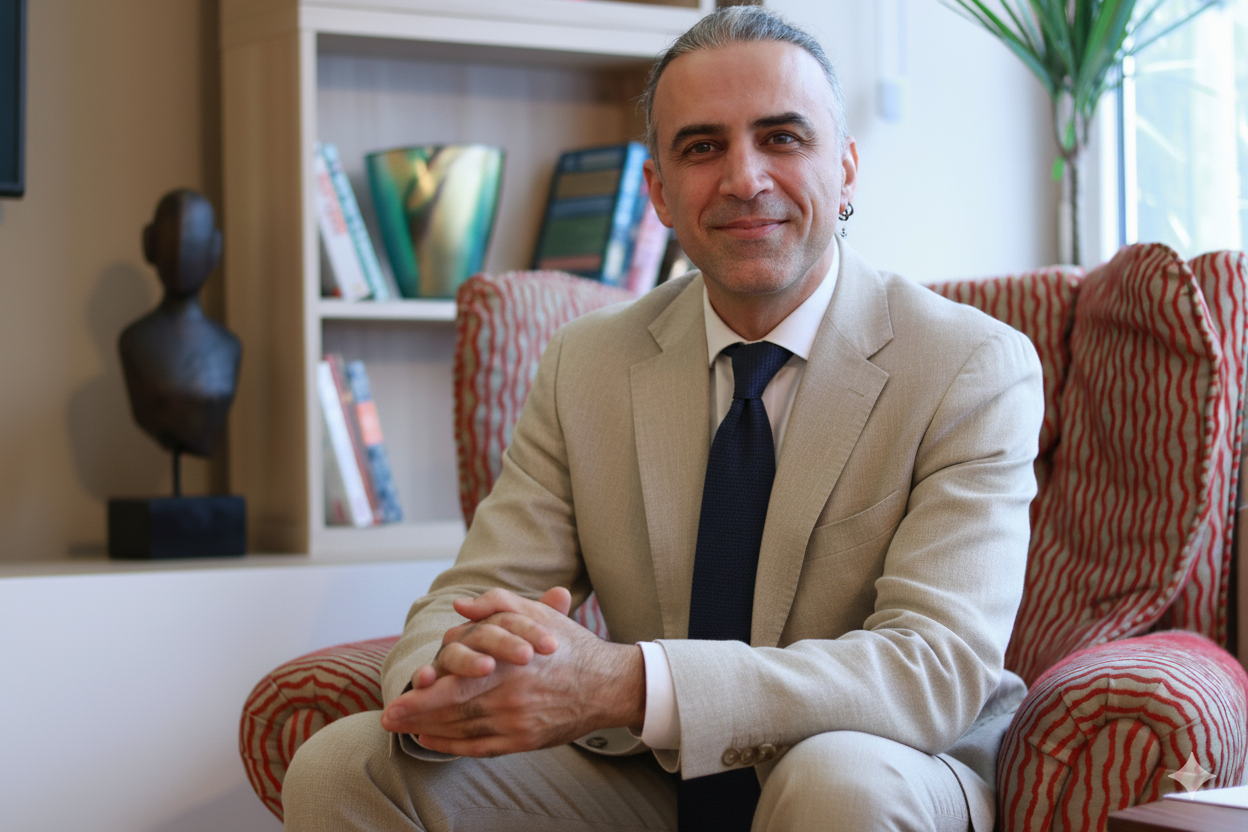
 Prof. Dr. Ali KeyvanPsychiatrist and Psychotherapist · Updated: 16 February 2024

Somatoform disorders, now called somatic symptom and related disorders, are a group of psychiatric disorders characterised by one or more bodily symptoms together with excessive, disproportionate thoughts, feelings and behaviours about those symptoms that impair daily functioning. This article offers an up-to-date introduction to the topic, highlighting the conceptual paradigm shift behind the American Psychiatric Association’s move in DSM-5 from the term “somatoform disorders” to “somatic symptom and related disorders”.
Below you will find a scientific article on somatic symptom and related disorders, one of the most challenging and delicate areas of psychiatric practice, which reflects the mysterious relationship between mind and body.
Somatoform disorders
Author: Prof. Dr. Ali Keyvan, Psychiatrist
Abstract
The new approach focuses less on whether symptoms are “medically unexplained” and more on the person’s excessive psychological reaction to them. The article describes the clinical features of the main diagnostic categories: somatic symptom disorder, illness anxiety disorder and conversion disorder (functional neurological symptom disorder). The section on aetiology covers a wide range of views, from Freud’s core psychoanalytic concepts of “conversion” and “primary and secondary gain”, to the cognitive behavioural cycles of “catastrophic interpretation” and “reinforcement of the sick role”, to modern trauma and attachment perspectives on how “pain that cannot be put into words” is expressed through the body (alexithymia). The treatment section stresses the importance of a strong therapeutic alliance with these patients and discusses evidence-based psychotherapies, above all cognitive behavioural therapy (CBT), as well as psychopharmacological treatment for co-occurring depression and anxiety disorders. The conclusion emphasises that these disorders are not “imaginary”: they are the expression of real suffering in the language of the body, and they can be treated effectively with a holistic approach.
Keywords: somatic symptom disorder, conversion disorder, illness anxiety disorder, psychosomatic, alexithymia, psychoanalysis, cognitive behavioural therapy, mind–body relationship.
Somatic symptom and related disorders: when the mind speaks through the body
1. Introduction: “going from doctor to doctor” and a paradigm shift

In clinical practice we often meet patients who have consulted countless doctors over the years for pain that never ends, tiredness that never lifts, recurring stomach and bowel complaints or neurological symptoms. They have had every kind of test, yet no “medical diagnosis” has ever been found. People around them often accuse them of “worrying about everything” or “putting it on”, and doctors tell them “there’s nothing wrong with you, it’s psychological”, trapping them in a vicious circle.
The modern understanding in psychiatry has changed this fundamentally. One of the most important changes the American Psychiatric Association made in the DSM-5 classification was to remove the category of “somatoform disorders” and replace it with “somatic symptom and related disorders”. This is not just a change of name; it is a paradigm shift. Our focus is no longer on whether a symptom can be “explained” medically, but on the person’s excessive and disproportionate psychological reaction to an existing bodily symptom (even one caused by a medical illness). In other words, the problem is not only the symptom itself but also the endless worries about it, the catastrophic scenarios and the excessive time and energy devoted to these worries.
2. The new classification
Somatic symptom disorder: At the centre of this diagnosis are one or more bodily symptoms (pain, fatigue, shortness of breath and so on) that seriously affect the person’s life. In addition, the person has disproportionate and persistent thoughts about how serious the symptoms are, experiences constant high levels of health anxiety, and spends excessive time and energy on the symptoms or health worries. For example, a patient with a medical diagnosis such as fibromyalgia who constantly imagines worst-case scenarios about their pain, spends hours every day researching illnesses online and restricts their social life entirely around the pain may be diagnosed with somatic symptom disorder.
Illness anxiety disorder: This largely corresponds to the former diagnosis of hypochondriasis. Here, bodily symptoms are either absent or very mild. The real problem is the fear and preoccupation with having, or developing, a serious illness. The person interprets normal bodily sensations (such as a slight rumbling in the stomach) or minor symptoms (such as a mild headache) as evidence of a serious disease (such as bowel cancer or a brain tumour). They may constantly check their body and visit doctors (care-seeking type) or, on the contrary, completely avoid doctors and hospitals for fear of hearing bad news (care-avoidant type).
Conversion disorder (functional neurological symptom disorder): This is the classic picture of “hysteria” on which psychoanalysis was founded. The person shows changes in voluntary motor or sensory function that cannot be explained by a neurological disease. Symptoms may include paralysis, blindness, deafness, loss of voice (aphonia), fainting (psychogenic non-epileptic seizures) or loss of sensation. Neurological examination and tests find no pathology to explain the symptoms, and the findings do not fit known neurological pathways.
3. Aetiology: why does the body speak?
The mechanisms by which psychological pain is translated into the language of the body are complex.
A. Psychoanalytic roots: “conversion” and symbolic meaning. In Studies on Hysteria, Freud and Breuer proposed that the psychic energy created by a repressed traumatic memory or an unacceptable unconscious conflict is turned into a bodily symptom through the mechanism of “conversion”. The symptom has a symbolic meaning: it both hides and expresses the conflict. Two kinds of gain come with the symptom. Primary gain is keeping the painful conflict out of consciousness. Secondary gain is that, through the “sick role”, the person avoids responsibilities and receives attention and care from those around them.
B. Cognitive behavioural cycles: catastrophising and reinforcement. According to this model, these patients tend to notice normal, harmless bodily sensations (palpitations, numbness, pain) selectively and to interpret them catastrophically (“I’m having a heart attack”, “I’m having a stroke”). This interpretation increases anxiety, and the increased anxiety makes the physiological symptoms (such as palpitations) even stronger. The person tries to find relief by constantly checking themselves or seeking reassurance from doctors. These “safety-seeking behaviours” bring short-term relief but, in the long run, reinforce the problem by weakening the person’s belief in their ability to cope with their own bodily sensations.
C. Trauma, attachment and alexithymia: “pain that cannot be put into words”. Modern research shows that trauma, abuse or neglect in early childhood are among the most important risk factors for somatic symptom disorders. Trauma is “stored” in the body. In particular, alexithymia, the difficulty of recognising, understanding and expressing emotions, lies at the heart of these disorders. For someone who cannot put their feelings into words, the body becomes the only way to express unbearable emotional pain. They cannot say “I’m depressed”, but they say “all my bones ache”; they cannot say “I’m dying of anxiety”, but they say “my heart feels like it’s going to jump out of my chest”.
4. Treatment: understanding the patient and repairing the whole
The first and most important step in treating these patients is to build a strong therapeutic alliance. It is essential to acknowledge and validate the suffering of a patient who has felt misunderstood and not taken seriously for years (“I believe the pain you are experiencing is real; now let’s focus on how we can cope with it better”).
Psychotherapy:
Cognitive behavioural therapy (CBT): the most effective evidence-based method. It teaches the patient to interpret bodily sensations without catastrophising, to reduce safety-seeking and avoidance behaviours, and to increase functional activities despite bodily symptoms.
Psychodynamic psychotherapy: focuses on making the connection between the bodily symptom and the underlying emotional conflicts, stressors or past traumas.
Psychopharmacology: There is no specific medicine that treats these disorders directly. However, because depression and anxiety disorders very often accompany them, treating these co-occurring conditions effectively with SSRI and SNRI antidepressants both reduces overall distress and helps the patient respond better to psychotherapy.

5. Conclusion
Somatic symptom and related disorders are the most striking evidence that mind and body form an inseparable whole. These patients are not “faking it” or “worrying about everything”; they are people who live out their psychological pain in the language of the body, through mechanisms medicine does not yet fully understand. Our task in treatment is to help them “translate” this language, to make sense of their suffering and to offer a holistic path to recovery that reconciles mind and body. This is a process full of patience and empathy that requires close cooperation between psychiatry, internal medicine, neurology and other specialties.
6. References
American Psychiatric Association. (2022). Diagnostic and Statistical Manual of Mental Disorders, 5th Ed., Text Revision (DSM-5-TR).
Breuer, J., & Freud, S. (1895). Studies on Hysteria.
van der Kolk, B. A. (2014). The Body Keeps the Score: Brain, Mind, and Body in the Healing of Trauma. Penguin Books.
Barsky, A. J., & Borus, J. F. (1999). Functional somatic syndromes. Annals of Internal Medicine, 130(11), 910–921.
Kroenke, K. (2007). Efficacy of treatment for somatoform disorders: a review of randomized controlled trials. Psychosomatic Medicine, 69(9), 881–888.
Beck, A. T. (1976). Cognitive Therapy and the Emotional Disorders. International Universities Press.
This page is for information only and does not replace diagnosis or treatment. If you have similar symptoms, please consult a mental health professional.

Your psychiatrist
Prof. Dr. Ali Keyvan
Prof. Dr. Ali Keyvan is a psychiatrist and psychotherapist. He practises, teaches and supervises cognitive behavioural and dialectical behaviour therapy as well as psychodynamic therapy and group analysis, and is a founding member of the Istanbul Group Analysis Association (IstGA). He sees clients at his clinic in Nişantaşı, Istanbul, and online.


