Prof. Dr. Ali Keyvan
Theoretical Approaches
 Prof. Dr. Ali KeyvanPsychiatrist and Psychotherapist · Updated: 30 October 2026

To understand where theoretical approaches come from, we first need a definition. Psychiatry draws on a range of theoretical approaches to understand the complexity of the human mind and behaviour, and to diagnose and treat mental disorders. Each looks at mental health from a different angle, giving clinical practice a rich perspective, and each offers its own framework for human nature, the origins of psychopathology and effective treatment. This page reviews the main theoretical approaches in psychiatry, their founders and their definitions.
Theoretical approaches: core perspectives on the human psyche
1. Psychoanalytic and psychodynamic theories
- Founder: Sigmund Freud (1856–1939)
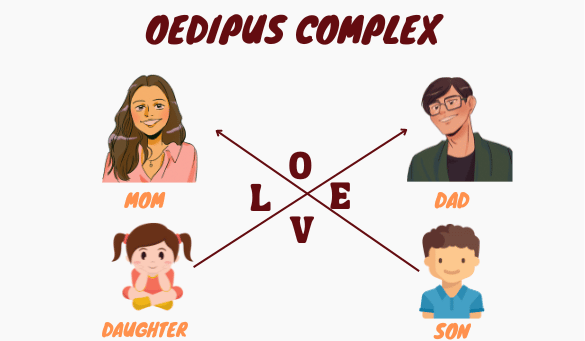
- Definition: The psychoanalytic approach holds that human behaviour and mental disorders are rooted in unconscious processes, childhood experiences and repressed drives (libido and aggression). For Freud, conflicts between the structures of personality (id, ego and superego) give rise to anxiety and defence mechanisms. The aim of therapy is to bring unconscious conflicts into awareness, through transference and countertransference, so as to gain insight and resolve the symptoms these conflicts cause (Freud, 1917/1966). Psychodynamic therapy is shorter and more flexible, but likewise emphasises unconscious processes, early relational experiences and repeating patterns in current relationships.
- Key figures and contributions:
- Carl Jung (1875–1961): founded analytical psychology, developing the concepts of the collective unconscious and archetypes (Jung, 1968).
- Alfred Adler (1870–1937): developed individual psychology, highlighting the inferiority complex, the striving for superiority and social interest (Adler, 1927).
- Melanie Klein (1882–1960): a pioneer of object relations theory, she studied how early childhood relationships are internalised and shape the mind (Klein, 1975).
- Heinz Kohut (1913–1981): founded self psychology and made major contributions to understanding the development of the self and narcissistic pathology (Kohut, 1977).
2. Behavioural and cognitive behavioural theories (CBT)
- Founders:
- Behavioural: Ivan Pavlov (1849–1936), John B. Watson (1878–1958), B. F. Skinner (1904–1990)
- Cognitive: Aaron T. Beck (1921–2021), Albert Ellis (1913–2007)
- Definition:
- Behavioural theory: holds that mental disorders and maladaptive behaviours are learned responses. It rests on Pavlov’s classical conditioning (Pavlov, 1927), Watson’s stimulus–response connections (Watson & Rayner, 1920) and Skinner’s operant conditioning (Skinner, 1953). Problem behaviours can be reinforced positively or negatively and changed using the principles of learning.
- Cognitive theory: holds that mental disorders are rooted in distorted or unhelpful patterns of thinking (cognitions). Beck (1967) linked depression to the cognitive triad: a negative view of the self, the world and the future. Ellis, with rational emotive behaviour therapy (REBT), showed how irrational beliefs lead to emotional and behavioural problems (Ellis, 1962).
- Cognitive behavioural therapy (CBT): a synthesis of the two, aiming to change both unhelpful thoughts and maladaptive behaviours. It is a structured, short-term, evidence-based therapy focused on the client’s current problems (Beck, 1979).

3. Humanistic and existential theories
- Founders:
- Humanistic: Carl Rogers (1902–1987), Abraham Maslow (1908–1970)
- Existential: Rollo May (1909–1994), Irvin Yalom (1931–)
- Definition:
- Humanistic theory: focuses on each person’s unique potential, personal growth and self-actualisation. Rogers (1951) showed that core conditions such as unconditional positive regard, empathy and genuineness strengthen the therapeutic relationship and enable self-discovery. Maslow (1954) emphasised the search for self-actualisation through his hierarchy of needs.
- Existential theory: focuses on the basic concerns of human existence: death, freedom, isolation and meaninglessness. It holds that people must take responsibility for their lives, create meaning and live authentically. May (1958) and Yalom (1980) placed these themes at the centre of psychopathology and psychotherapy.
4. Biological theory
- Founder: Emil Kraepelin (1856–1926), followed by contemporary researchers in neuroscience and genetics
- Definition: holds that mental disorders arise from physical and biological factors such as imbalances in brain chemistry (neurotransmitters), genetic predisposition, structural brain abnormalities, hormonal changes, infection or inflammation. Kraepelin pioneered a scientific approach to classifying mental illness and understanding its biological basis (Kraepelin, 1883). Today brain imaging (fMRI, PET), genetics, epigenetics and pharmacology form the foundation of this approach (Kandel, Schwartz & Jessell, 2000). Treatment centres on psychopharmacotherapy (medication) and other biological interventions such as electroconvulsive therapy and transcranial magnetic stimulation.
5. Systemic and family therapy theories
- Founders: Gregory Bateson (1904–1980), Jay Haley (1923–2007), Salvador Minuchin (1921–2017), Virginia Satir (1916–1988)
- Definition: systemic theory holds that a person’s psychological problems stem not only from their inner dynamics but also from the dynamics of the social systems they belong to, especially the family. Bateson’s theories of communication (Bateson, 1972) highlight dysfunctional communication patterns in the family; Minuchin’s structural family therapy (Minuchin, 1974) analyses hierarchies, subsystems and boundaries; Satir (1967) placed family communication and self-esteem at the centre. Treatment targets the system rather than the individual, aiming to change dysfunctional patterns, roles and ways of communicating.
6. Schema therapy
- Founder: Jeffrey E. Young (1950–)
- Definition: an integrative model combining elements of cognitive behavioural and psychodynamic approaches. It aims to identify and change deep-rooted, destructive patterns of thinking, feeling and behaving (“early maladaptive schemas”) that develop from negative experiences in childhood and adolescence and affect adult life. These schemas shape a person’s core beliefs about themselves, others and the world (Young, Klosko & Weishaar, 2003). Therapy uses recognition of schema-activating situations, emotional experiencing, cognitive restructuring and behavioural change.
7. Dialectical behaviour therapy (DBT)
- Founder: Marsha M. Linehan (1943–)
- Definition: Dialectical behaviour therapy (DBT) is a comprehensive adaptation of cognitive behavioural therapy targeting the intense emotional dysregulation, impulsivity and relationship difficulties seen especially in borderline personality disorder. It combines principles of acceptance (mindfulness, distress tolerance) and change (emotion regulation, interpersonal effectiveness) to teach new skills (Linehan, 1993a, 1993b).
8. Eye movement desensitisation and reprocessing (EMDR)
- Founder: Francine Shapiro (1948–2019)
- Definition: EMDR is a structured, eight-phase psychotherapy used especially for post-traumatic stress disorder (PTSD) and other trauma-related conditions. It assumes that unprocessed traumatic memories lead to psychopathology. While the client focuses on a traumatic memory, the therapist guides rhythmic eye movements or other bilateral stimulation, helping the brain process the memory more adaptively and reducing its emotional charge (Shapiro, 2001).
9. Sociocultural theories
- Founders: Michel Foucault (1926–1984), Erving Goffman (1922–1982) and social psychologists
- Definition: sociocultural theories view mental health and illness in the context of a person’s culture, society and social environment. They examine how mental disorders are shaped by cultural norms, social expectations, class, minority stress and stigma. Foucault (1965) analysed how mental illness is defined and controlled by social structures and relations of power; Goffman (1961) addressed the social exclusion of psychiatric patients through the concepts of “total institutions” and stigma. These approaches encourage us to see psychopathology not only as an individual phenomenon but also as a social and cultural construction.
Conclusion
This wide range of theories offers a multidimensional view of mental health. Each has its own strengths and limitations. Modern psychiatric practice usually brings elements of these approaches together, applying evidence-based, integrative treatment tailored to each person’s complex needs. The aim is not only to relieve symptoms but also to help people gain deeper insight, improve their relationships and enhance their overall quality of life. The future of psychiatry lies in integrating these perspectives further as we continue to explore the mysteries of the human mind.
For more information, please contact our clinic.
References:
- Adler, A. (1927). The Practice and Theory of Individual Psychology. Harcourt, Brace.
- Bateson, G. (1972). Steps to an Ecology of Mind. Chandler.
- Beck, A. T. (1967). Depression: Clinical, Experimental, and Theoretical Aspects. Harper & Row.
- Beck, A. T., Rush, A. J., Shaw, B. F., & Emery, G. (1979). Cognitive Therapy of Depression. Guilford Press.
- Ellis, A. (1962). Reason and Emotion in Psychotherapy. Lyle Stuart.
- Foucault, M. (1965). Madness and Civilization: A History of Insanity in the Age of Reason. Random House.
- Freud, S. (1966). Introductory Lectures on Psycho-Analysis (J. Strachey, Trans.). W. W. Norton & Company. (Original work published 1917).
- Goffman, E. (1961). Asylums: Essays on the Social Situation of Mental Patients and Other Inmates. Anchor Books.
- Jung, C. G. (1968). Man and His Symbols. Dell Publishing.
- Kandel, E. R., Schwartz, J. H., & Jessell, T. M. (Eds.). (2000). Principles of Neural Science (4th ed.). McGraw-Hill.
- Klein, M. (1975). Envy and Gratitude and Other Works 1946–1963. Hogarth Press.
- Kohut, H. (1977). The Restoration of the Self. International Universities Press.
- Kraepelin, E. (1883). Compendium der Psychiatrie. Abel.
- Linehan, M. M. (1993a). Cognitive-Behavioral Treatment of Borderline Personality Disorder. Guilford Press.
- Linehan, M. M. (1993b). Skills Training Manual for Treating Borderline Personality Disorder. Guilford Press.
- Maslow, A. H. (1954). Motivation and Personality. Harper.
- May, R. (1958). Existence: A New Dimension in Psychiatry and Psychology. Basic Books.
- Minuchin, S. (1974). Families and Family Therapy. Harvard University Press.
- Pavlov, I. P. (1927). Conditioned Reflexes: An Investigation of the Physiological Activity of the Cerebral Cortex. Oxford University Press.
- Rogers, C. R. (1951). Client-Centered Therapy: Its Current Practice, Implications, and Theory. Houghton Mifflin.
- Satir, V. (1967). Conjoint Family Therapy: A Guide to Theory and Technique. Science and Behavior Books.
- Shapiro, F. (2001). Eye Movement Desensitization and Reprocessing (EMDR): Basic Principles, Protocols, and Procedures (2nd ed.). Guilford Press.
- Skinner, B. F. (1953). Science and Human Behavior. Macmillan.
- Watson, J. B., & Rayner, R. (1920). Conditioned emotional reactions. Journal of Experimental Psychology, 3(1), 1–14.
- Yalom, I. D. (1980). Existential Psychotherapy. Basic Books.
- Young, J. E., Klosko, J. S., & Weishaar, M. E. (2003). Schema Therapy: A Practitioner’s Guide. Guilford Press.
This page is for information only and does not replace diagnosis or treatment. If you have similar symptoms, please consult a mental health professional.

Your psychiatrist
Prof. Dr. Ali Keyvan
Prof. Dr. Ali Keyvan is a psychiatrist and psychotherapist. He practises, teaches and supervises cognitive behavioural and dialectical behaviour therapy as well as psychodynamic therapy and group analysis, and is a founding member of the Istanbul Group Analysis Association (IstGA). He sees clients at his clinic in Nişantaşı, Istanbul, and online.