


Impulse and behaviour
Trichotillomania (Hair-Pulling Disorder)
What causes trichotillomania, how CBT, behaviour therapy and medication help, and how parents can support a child.
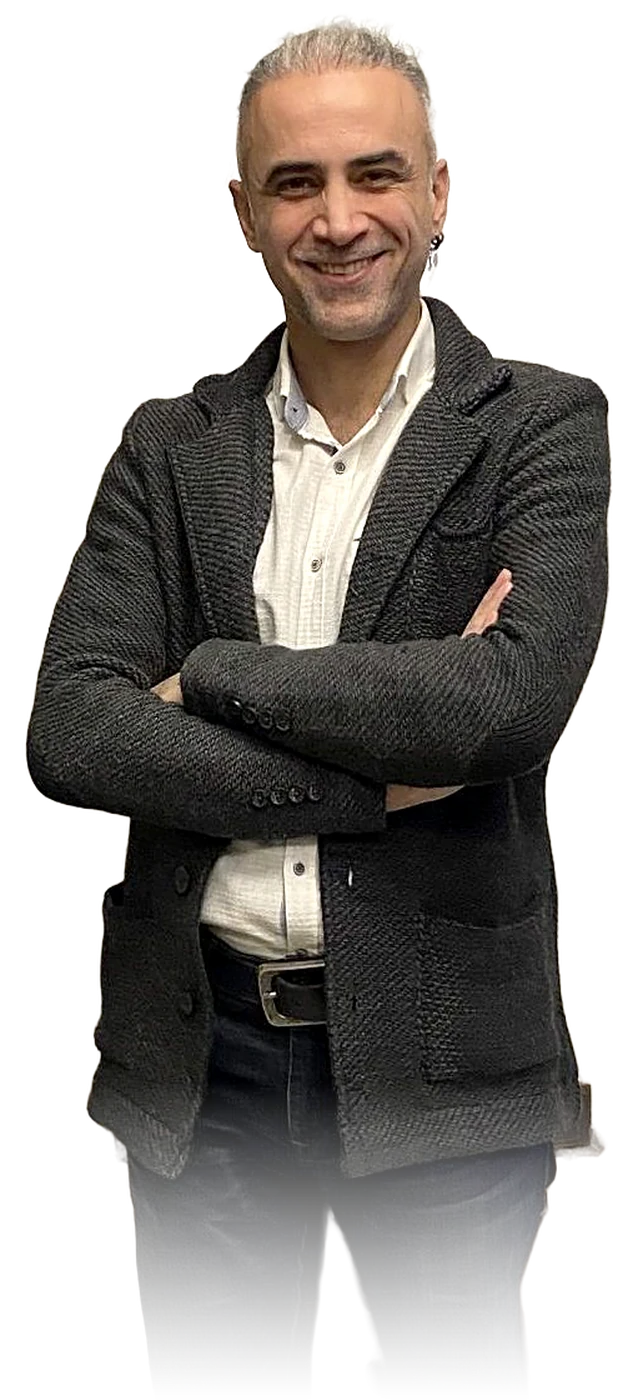 Prof. Dr. Ali KeyvanPsychiatrist and Psychotherapist · Updated: 16 February 2024

Trichotillomania is a mental health condition in which a person repeatedly and uncontrollably pulls out, or tries to pull out, their own hair. This behaviour can lead to hair loss, bald patches and even skin infections.
Trichotillomania often gets worse in stressful or emotionally difficult situations. Some people pull their hair without being aware of it and may feel shame or guilt afterwards.
Trichotillomania, also known as hair-pulling disorder, is a chronic condition. People usually pull hair from the scalp or face, but eyebrows, eyelashes and body hair can also be affected. It can cause problems in everyday life, at work and in social life. It usually begins in childhood or adolescence and can also be seen in adulthood. Over time it can become a behaviour that is very hard to control, affecting the person’s appearance, self-confidence and quality of life. Like other obsessive-compulsive-related disorders, it makes it difficult for the person to control their behaviour, which is why treatment is so important. Support and mutual understanding are essential.
Causes of trichotillomania
The exact cause of trichotillomania is not fully understood, but genetic and environmental factors are thought to play a role. The fact that relatives of people with the condition often show similar symptoms supports a genetic contribution. Symptoms can also be triggered by environmental factors such as stressful situations or traumatic events. Some studies suggest that trichotillomania may be related to obsessive-compulsive disorder and other mental health conditions.
Treatment
Treatment depends on the person’s circumstances and the severity of the condition. It usually combines psychotherapy and, where needed, medication under a doctor’s supervision. Therapy helps the person control the behaviour and find other ways of coping with stress, while medication can ease symptoms.
Therapy
Cognitive behavioural therapy (CBT) is the most widely used therapy for trichotillomania. It helps the person recognise the feelings and thoughts that trigger hair pulling and reduce their influence, and it teaches new strategies for controlling the behaviour.
Behaviour therapy focuses on changing the hair-pulling behaviour itself. It teaches alternative behaviours and helps the person identify the situations that trigger pulling and develop strategies for dealing with them.
Medication
Medicines used in the treatment of trichotillomania include selective serotonin reuptake inhibitors (SSRIs) and neuroleptics. SSRIs can help ease symptoms by increasing serotonin levels.
How successful is treatment?
Results vary from person to person. For some, therapy and medication lead to marked improvement or complete remission; for others they are less effective. Starting treatment early increases the chance of a good result and brings relief sooner. There is no single definitive cure, but symptoms can be brought under control and quality of life improved. Patience, determination and open communication are very important during treatment.
Self-help and self-control
Stress management techniques are an important part of overcoming trichotillomania, because stress is often the main driving factor. Becoming aware of the causes and triggers of hair pulling also helps the person control symptoms. Underlying stress, depression or other psychological conditions that feed the behaviour should be treated as a priority.
- Work with a therapist on strategies that interrupt hair pulling and practise them daily.
- Learn to recognise, and where possible avoid, the stressful situations that encourage pulling, and learn how to cope with them.
- Keep the hands busy with enjoyable activities that take the mind off anxiety.
- Use positive motivation techniques to support stopping the behaviour.
- Exercise regularly to lower overall tension.
A psychiatrist and/or therapist will assess the causes behind the condition and create a treatment plan suited to the person. Getting professional help greatly increases the chance of treating trichotillomania successfully.
How parents can help a child with trichotillomania
When a child is diagnosed with trichotillomania, parents should offer both emotional and practical support. They should take the behaviour seriously and consult a specialist to understand its causes and develop strategies that will help.
Rather than being angry or critical, it is important for parents to be understanding and supportive. They can learn ways to help the child stop before pulling, for example by finding activities that keep the hands busy or by developing alternative ways of coping with stress.
Parents should also learn about the condition to reduce their own prejudices and help the child do the same. Trichotillomania happens outside the person’s will; blaming or shaming does not work and can even be harmful. This is why support from a psychiatrist is so important.
This page is for information only and does not replace diagnosis or treatment. If you have similar symptoms, please consult a mental health professional.

Your psychiatrist
Prof. Dr. Ali Keyvan
Prof. Dr. Ali Keyvan is a psychiatrist and psychotherapist. He practises, teaches and supervises cognitive behavioural and dialectical behaviour therapy as well as psychodynamic therapy and group analysis, and is a founding member of the Istanbul Group Analysis Association (IstGA). He sees clients at his clinic in Nişantaşı, Istanbul, and online.
Impulse and behaviour


