


Relationships and other
Sex Therapy and Sexual Dysfunction
Vaginismus, erectile and orgasm problems, premature ejaculation: how sex therapy and medical treatment help.
 Prof. Dr. Ali KeyvanPsychiatrist and Psychotherapist · Updated: 16 February 2024

Human behaviour and sexuality are shaped by physical, psychological and social conditions. Sexuality is not limited to the sexual organs; it also involves feelings, thoughts and established beliefs, many of which are known to be mistaken. A person’s physical and psychological characteristics, or the dynamics of a couple’s relationship, can all contribute to sexual dysfunctions and problems. Naturally, treatment also varies according to the factors involved. Through interviews with the person, the factors that brought about the problem and those that keep it going are explored together.
Sexual dysfunction
People with sexual dysfunction may live with the problem for years, and sexual difficulties often become chronic. Some couples seek help only after being unable to have sexual intercourse for more than 20 years of marriage. Because of the socio-cultural context in Türkiye in particular, these problems can be a source of shame and secrecy.
When is sex therapy needed?
Common sexual dysfunctions include:
- Vaginismus (involuntary vaginal muscle contraction that prevents intercourse)
- Delayed ejaculation
- Erectile disorder
- Female orgasmic disorder
- Female sexual interest/arousal disorder
- Genito-pelvic pain disorder
- Premature ejaculation
- Substance- or medication-induced sexual dysfunction
Sex therapy
Sex therapy is a form of cognitive behavioural treatment provided to individuals or couples with sexual problems by experienced psychiatrists and clinical psychologists trained in this field.
Psychotherapy techniques for sexual dysfunction were first developed in the United States in the 1960s by Masters and Johnson. The Masters and Johnson technique is still used in many countries and continues to produce very encouraging results for many sexual dysfunctions. Vaginismus, for example, can often be treated with sex therapy, that is, psychotherapy, within a small number of sessions (usually no more than 12).
Psychoeducation plays an important role in sex therapy. It involves teaching about the anatomy and function of the sexual organs.
Medication for sexual dysfunction
If a sexual problem is linked to a psychiatric disorder or a medical or biological cause, treatment will involve medication or other medical treatment, provided by psychiatrists, urologists, gynaecologists or doctors from other specialties. For example, if depression or anxiety disorders have contributed to the sexual problem, medication for these conditions may be used.
Why sex therapy matters
Sexual dysfunctions involve difficulties with desire, arousal, orgasm or intercourse in women and men. Sex therapy is an effective and safe option for treating them. It is a psychological treatment designed specifically to help people improve their sexual functioning and sexual health, and it may use individual sessions, group therapy or couples therapy to find the roots of the problem. It also helps with communication problems between partners and with the effects of sexual trauma. Its benefits include:
- helping to resolve sexual problems in the relationship
- building knowledge and awareness about sexual health
- increasing sexual satisfaction
- treating sexual dysfunctions
- increasing self-confidence
- easing psychological difficulties such as depression and anxiety
Causes and signs of sexual dysfunction
Causes can include physical illness, hormonal imbalances, medication use, stress, anxiety, depression, emotional difficulties, personality factors, social anxiety, communication problems between partners and past sexual trauma. Signs include:
- reduced or absent sexual desire
- arousal problems, erectile dysfunction or vaginismus
- orgasm problems
- pain or discomfort during sex
- loss of self-confidence and problems in the relationship
Approaches used in sex therapy
The most common approaches are individual sessions and couples therapy. In individual work, the therapist focuses on communication with the patient and uses various techniques to explore the person’s sexual experiences and feelings and understand where the difficulty comes from. Couples sex therapy, guided by a therapist, helps two people understand and improve their sexual relationship.
- Cognitive behavioural therapy aims to change mistaken thoughts and beliefs about sexual problems, reduce anxiety and support positive sexual experiences.
- Couples therapy helps partners improve communication, rebuild trust and find solutions to their sexual problems together.
- EMDR can be effective for sexual dysfunctions that developed after sexual abuse or other traumatic experiences.
- Where appropriate, medication may be combined with psychological treatment, and regular exercise and a balanced diet can also support treatment.
Possible difficulties during sex therapy
Like any treatment, sex therapy can bring challenges. Conversations during therapy can temporarily create more tension for some couples. Some patients may not give the therapy enough time to work or may resist treatment. Because therapy touches on very personal and emotional areas, it can feel uncomfortable at times, and temporary worry or low mood may appear. Choosing a therapist with the right training and experience is important, and patients should discuss any difficulties openly with their therapist. Good communication between therapist and patient greatly reduces these difficulties.
How effective is sex therapy?
Studies show that sex therapy is a reliable and effective treatment for sexual dysfunctions. In therapy, the focus is on the person’s problems and the underlying causes of the dysfunction are identified. By applying solutions and techniques aimed at these causes, the person’s sexual life and relationship improve. Sex therapy can improve sexual functioning, increase self-confidence, resolve communication problems in the relationship and ease stress and anxiety.
This page is for information only and does not replace diagnosis or treatment. If you have similar symptoms, please consult a mental health professional.

Your psychiatrist
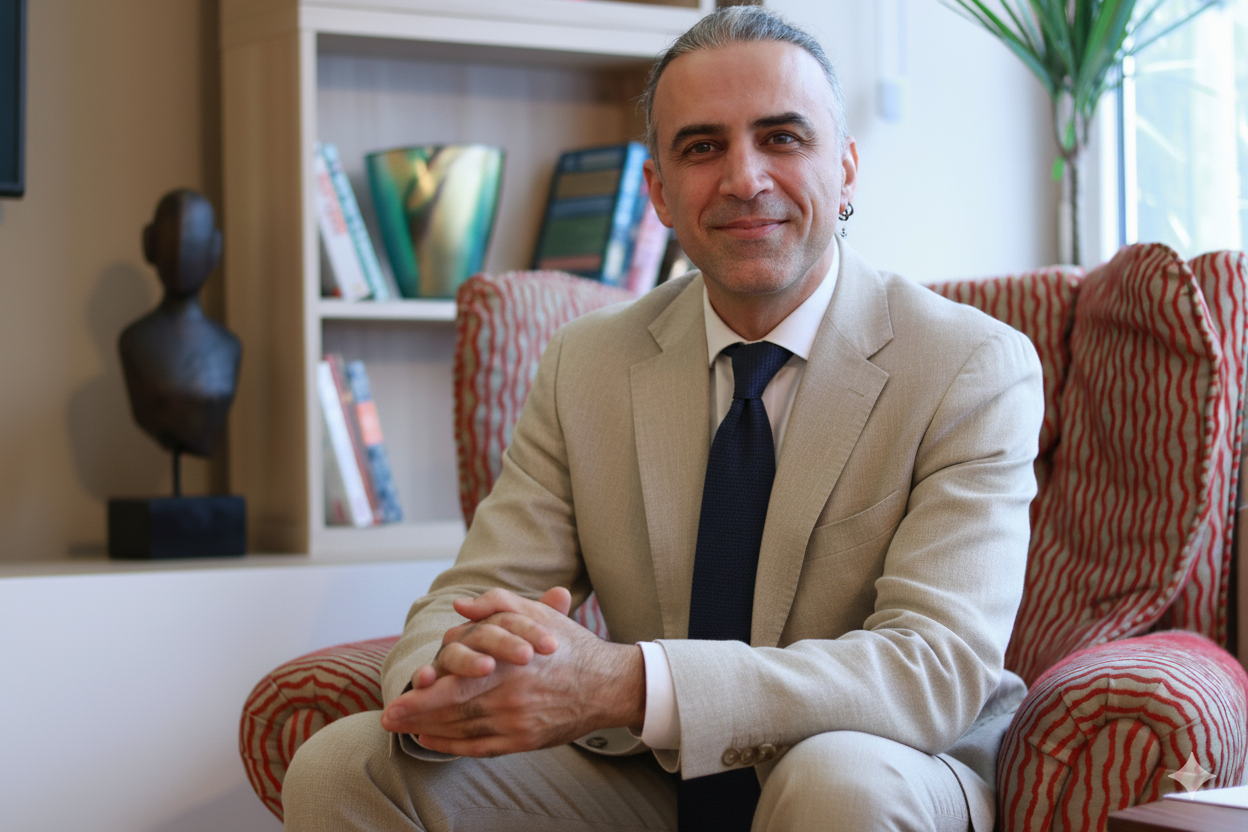
Prof. Dr. Ali Keyvan
Prof. Dr. Ali Keyvan is a psychiatrist and psychotherapist. He practises, teaches and supervises cognitive behavioural and dialectical behaviour therapy as well as psychodynamic therapy and group analysis, and is a founding member of the Istanbul Group Analysis Association (IstGA). He sees clients at his clinic in Nişantaşı, Istanbul, and online.
Relationships and other


