


Impulse and behaviour
Alcohol and Substance Misuse
The difference between misuse and addiction, health effects, prevention, and how detox, psychotherapy and medication help.
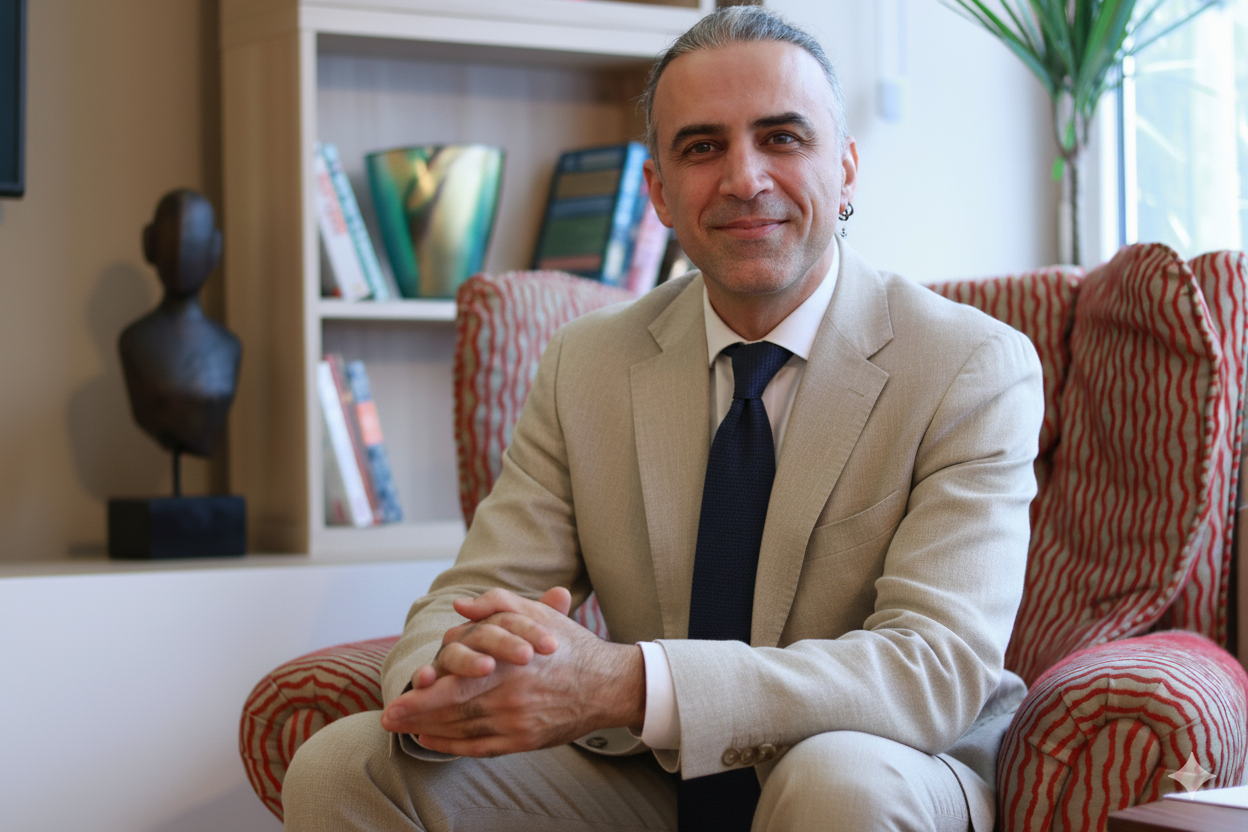
 Prof. Dr. Ali KeyvanPsychiatrist and Psychotherapist · Updated: 16 February 2024

Alcohol and substance misuse and addiction
Alcohol and substance misuse, addiction and their treatment are widely discussed today. Misuse of alcohol and drugs causes psychological, physical and social damage in many people’s lives. Treatment involves identifying the causes of the problem, strengthening personal resources and changing behaviour through a variety of approaches.
The role of the psychiatrist
Psychiatrists play an important role in preventing and treating alcohol and substance misuse. Through individual assessment they explore the reasons for misuse, the person’s awareness, cravings and reactions, and plan the steps needed for the best possible treatment. They use therapeutic approaches to identify the psychological and behavioural problems caused by misuse, and support the person towards a healthy life with motivational techniques, self-support systems, personal development and healthy stress management. They also take a medical approach to detecting and treating health problems caused by alcohol or drug use.
Harmful effects
Alcohol and substance misuse means using alcohol or other drugs more than is safe. It can impair functioning and lead to physical, social and psychological problems, affecting not only the person but also those around them.
- Physical problems can include liver damage, brain damage, heart problems, infections, cancer and other health conditions.
- Psychological problems can include anxiety, depression, suicidal thoughts and mood disorders.
- Social consequences can include job loss, domestic violence, crime and traffic accidents.
Factors that contribute to misuse
Misuse can stem from many factors, including environmental influences, genetic vulnerability and psychological problems. Domestic violence, a stressful lifestyle, peer pressure, depression and anxiety, for example, can lead a person to turn to alcohol or drugs.
Misuse and addiction: what is the difference?
Many people think of misuse and addiction as the same thing, but there are important differences. Misuse means regularly using alcohol or other drugs beyond healthy and safe limits, which can affect work, school or daily activities and harm physical and mental health. Misuse describes harmful use that does not reach the level of addiction, but it can be a forerunner of addiction. Addiction can take over a person’s life completely and cause many physical, mental and behavioural problems.
Addiction means having a physical or psychological need for a substance. It leads to loss of control and a strong craving for the substance, and it usually develops through long-term, repeated use. The two key components of addiction are withdrawal and tolerance. As with most substances, it often starts with a single try; over time the person uses not for pleasure but to relieve the withdrawal symptoms that appear when the substance is absent, in other words simply to feel normal. They also need more and more alcohol or drug to get the same effect (tolerance).
In older classification systems, substance “abuse” roughly meant a sub-threshold form of dependence. In the current classification (DSM-5), the separate categories of abuse and dependence have been combined into a single diagnosis of “substance use disorder”, graded by severity.
Alcohol misuse
Alcohol misuse is repeated drinking over a one-year period in a way that leads to behavioural and adjustment problems, social and legal difficulties or physical illness. Alcohol dependence is a more severe picture that develops after misuse and shows itself in changes in social, behavioural and cognitive functioning. Because the person expects alcohol to relieve stress or help them relax, they come to need it; this is how dependence develops, and at this point medical and psychological help is needed.
Physical disorders common in people with alcohol dependence include anaemia, cirrhosis of the liver, gastritis, low blood sugar, heart failure, balance problems, visual disturbances, nutritional deficiencies, high blood pressure, polyneuropathy, acute pancreatitis and harm to the baby during pregnancy (such as intellectual disability).
Mental disorders caused by alcohol include psychotic disorders, bipolar disorders, depressive disorders, anxiety disorders, obsessive-compulsive disorders, sleep disorders, sexual dysfunctions, delirium (organic brain syndrome) and neurocognitive disorders.
Substance misuse
Apart from non-pathological medical use of psychoactive substances, there is also pathological use. The pathological pattern involves being under the influence of the substance throughout the day, being unable to cut down or stop, and being unable to reduce or stop use despite knowing that it is making an existing physical illness worse. Social and occupational functioning suffer; relationships with work, partners and friends break down; and aggressive or impulsive behaviour may occur.
Psychoactive substance dependence is generally a more severe substance use disorder than misuse. It involves tolerance or withdrawal symptoms, together with a pathological pattern of use that inevitably disrupts social and occupational functioning.

Prevention
Early intervention is essential. Parents educating their children, schools informing students, health services informing the public and raising awareness in society all help. Knowing the risk factors, such as genetic vulnerability, stressful life events, difficult environmental conditions and adolescence, allows people at risk to get appropriate support and treatment in time.
- Raise awareness: learn about alcohol and substance misuse and share what you know with those around you.
- Manage stress: using alcohol or drugs under stress may seem like a solution, but healthier ways of coping, such as yoga, meditation, exercise and hobbies, work better.
- Respect yourself: you do not need alcohol or drugs to feel free; look for activities that make you feel healthier and happier.
- Choose your friends carefully: avoid spending time with people who use drugs or alcohol or who may lead you in the wrong direction.
- Set goals: having a purpose and working towards it increases motivation and protects against turning to alcohol or drugs.
Treatment
Treatment depends on the person’s situation and needs. It may include medication, hospital admission, rehabilitation, psychotherapy and support groups. Family and social support are also important. Organisations such as addiction associations and rehabilitation centres can provide treatment options, therapy and support groups. Treatment usually proceeds in three stages:
- assessing physical health and strengthening the wish to stop drinking or using
- withdrawal from alcohol or the substance (detoxification)
- long-term treatment approaches
Psychotherapy: psychoanalytic supportive or cognitive behavioural psychotherapy, individual or group psychotherapy, and self-help and support groups.
Psychopharmacotherapy (medication): medicines that deter use or help the person stop.
This page is for information only and does not replace diagnosis or treatment. If you have similar symptoms, please consult a mental health professional.

Your psychiatrist
Prof. Dr. Ali Keyvan
Prof. Dr. Ali Keyvan is a psychiatrist and psychotherapist. He practises, teaches and supervises cognitive behavioural and dialectical behaviour therapy as well as psychodynamic therapy and group analysis, and is a founding member of the Istanbul Group Analysis Association (IstGA). He sees clients at his clinic in Nişantaşı, Istanbul, and online.
Impulse and behaviour


